Imago Printer
In recent years, the printing industry has faced increasing scrutiny due to its environmental impact. Many companies are seeking sustainable solutions. This leads to the question: "What are the environmental benefits of digital screen printing?" According to a report by Smithers Pira, the digital printing market is projected to grow by 13% annually, highlighting its rising significance.
Digital screen printing significantly reduces waste compared to traditional methods. Traditional printing often generates substantial ink and material waste, while digital techniques streamline the process. A study by the Sustainable Green Printing Partnership notes that digital printing can reduce ink usage by up to 60%. Additionally, it minimizes the need for harmful chemicals, making the process safer for both the environment and workers.
Furthermore, digital screen printing allows for shorter production runs. This leads to less overproduction and excess stock needing disposal. Brands are beginning to recognize these advantages, aligning with global shifts towards eco-friendly practices. However, challenges remain. Digital printing technology can still emit emissions, which requires ongoing advancements. As the industry evolves, continued reflection on these practices is essential for true sustainability.
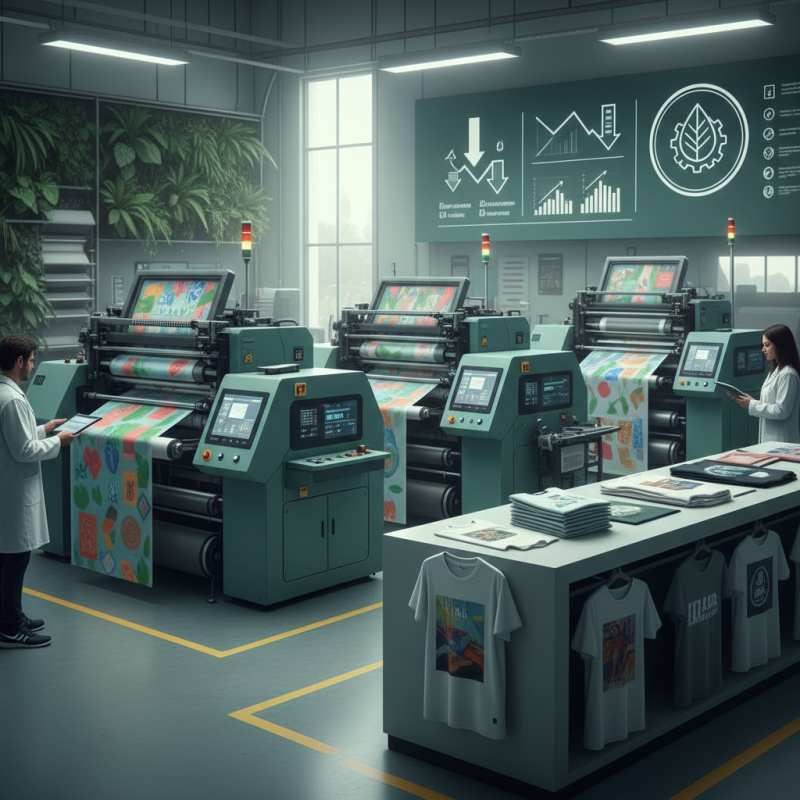
Digital screen printing offers significant environmental benefits, particularly in waste reduction. Traditional printing uses screens for each color. This process results in excess ink and materials. In contrast, digital screen printing utilizes computer technology, allowing direct printing onto various materials. It minimizes ink wastage by precisely applying only what is needed. Industry reports indicate that digital printing can reduce ink consumption by up to 30%, fostering more sustainable practices.
Moreover, digital screen printing's efficiency translates to less textile waste. The ability to print custom designs on demand means businesses no longer need to produce large inventory quantities. According to a study by Smithers Pira, the digital textile printing market is projected to grow at a rate of 20% annually. This growth highlights a shift toward sustainable production methods. However, challenges remain. Some businesses might initially struggle with the transition due to the costs associated with new technology. Balancing economic factors with environmental responsibility can be difficult but is crucial.
The reduction of waste in digital screen printing also extends beyond the printed materials. It includes minimizing packaging waste. Digital printing often allows for smaller, targeted shipments instead of bulk delivery. This need for less packaging directly correlates with decreased environmental impact. While there are hurdles to overcome, embracing digital printing offers a path to a greener future. Adopting this technology not only supports sustainability but also reflects a commitment to responsible production practices.
Digital screen printing is gaining traction as a more sustainable alternative to traditional printing methods. One significant advantage is its lower energy consumption. Reports indicate that digital printing can use up to 40% less energy than traditional screen printing processes. This reduction is largely due to the efficient use of ink and reduced waste materials. The energy savings not only help in cutting costs but also decrease the carbon footprint of production.
In addition to energy savings, digital screen printing eliminates the need for extensive setup times and processes. Traditional printing often requires lengthy preparation, including creating screens, which consumes a lot of energy. A study from the Sustainable Green Printing Partnership noted that this preparation can account for nearly 30% of total energy use in traditional methods. By contrast, digital processes allow for quick adjustments and minimal pre-production, resulting in a leaner energy profile.
Some concerns still linger about the long-term impacts of digital printing technology. While it offers energy efficiency, the environmental effects of electronic waste from printers need consideration. This challenge calls for a more comprehensive understanding of the lifecycle of digital printing equipment. Despite the benefits, a balanced perspective is essential as the industry evolves.
Digital screen printing has gained traction for its environmental benefits. One key aspect is the usage of eco-friendly inks. These inks are typically made from natural pigments or plant-based materials, reducing harmful emissions. Unlike solvent-based inks, eco-friendly alternatives do not release volatile organic compounds (VOCs), making them safer for both the environment and human health.
Incorporating eco-friendly inks into digital screen printing can significantly lower waste production. Traditional printing methods often involve extensive rinsing and cleaning processes, which can lead to chemical runoff. Eco-friendly inks require less water for cleanup, minimizing environmental impact. However, challenges remain. The durability and color vibrancy of eco-friendly inks sometimes lag behind their traditional counterparts, leading to ongoing debates in the industry.
Moreover, the shift to eco-friendly inks requires education and awareness among practitioners. Many printing professionals remain unaware of the differences and benefits. Bridging this knowledge gap is essential for the industry to adopt more sustainable practices. Encouraging innovation in ink formulation is vital for progress, as the pursuit of greener alternatives continues.
Digital screen printing is revolutionizing the textile industry with its reduced water consumption. Traditional printing methods can use up to 50 gallons of water for a single shirt. In contrast, digital screen printing employs technology that significantly minimizes this usage. Reports suggest that digital processes can cut water waste by over 80%. This is a vital benefit as freshwater shortages increase globally.
To enhance sustainability, consider employing water-efficient machinery. Regular maintenance of these machines ensures optimal performance and longevity. This can further reduce water consumption over time. Investing in technology capable of recycling water can also contribute to conservation efforts.
It's essential to recognize that not all digital printing methods are equal. Some still consume considerable resources. Research indicates that color management techniques help reduce ink wastage while also optimizing water usage. By embracing effective practices, the industry can progress toward more sustainable solutions that support environmental well-being. Implementing changes now could positively impact future generations.
| Benefit | Description | Environmental Impact |
|---|---|---|
| Minimized Water Usage | Digital printing uses significantly less water compared to traditional screen printing processes. | Reduces water wastage and pollution. |
| Reduced Chemical Use | Digital printing minimizes or eliminates the need for harmful chemicals used in traditional methods. | Lower toxic emissions and safer working environment. |
| Lower Energy Consumption | Digital printers generally require less energy to operate than their traditional counterparts. | Conserves energy resources and reduces carbon footprint. |
| Waste Reduction | Digital printing allows for on-demand printing, reducing excess material waste. | Decreases landfill contributions and resource overuse. |
| Sustainable Materials | Supports the use of eco-friendly inks and substrates that are less harmful to the environment. | Promotes recycling and sustainable production practices. |
Digital screen printing has transformed the way we create printed products. This innovation significantly enhances the lifecycle of printed items. Traditional printing methods often produce excessive waste, but digital techniques minimize material usage. With precise control over ink applications, the process creates less runoff. This saves resources and contributes positively to the environment.
Additionally, the durability of digitally printed products is remarkable. The inks used in digital printing are designed to last longer, resisting fading and wear. This reduces the need for frequent replacements. As a result, consumers make fewer purchases over time, which directly decreases overall waste. There is a need for more awareness about the benefits of longevity in printed materials.
However, while digital screen printing offers many advantages, challenges remain. Not every print job is ideal for this technology. Certain products may still require traditional methods. The industry must continue to evolve and find the right balance between innovation and practicality. This ongoing reflection could lead to even greater improvements in sustainability and efficiency.
: Traditional printing may consume up to 50 gallons of water for just one shirt. Digital printing can reduce this by over 80%.
Freshwater shortages are increasing globally. Reducing water consumption helps conserve this vital resource.
Using water-efficient machinery and maintaining it regularly can enhance performance and reduce water usage.
Color management techniques help reduce ink wastage, which can also lead to optimized water usage in the process.
No, some digital methods still consume considerable resources. Research is needed to identify the most efficient techniques.
Digitally printed items are designed to last longer, resisting fading, which decreases the need for replacements and waste.
No, some print jobs may still require traditional methods. The industry needs to balance both approaches for optimal results.
Not every product is suitable for digital methods. The industry needs to keep reflecting on these challenges for improvement.
Investing in technology that recycles water can enhance conservation efforts in the printing process.
Consumers should understand the benefits of longevity in printed materials to encourage sustainable practices in the industry.
Digital screen printing offers several key environmental benefits that make it an eco-friendly alternative to traditional printing methods. One significant advantage is the reduction of waste, as it allows for precise printing, minimizing excess material. Additionally, digital screen printing consumes less energy throughout the production process, contributing to a lower carbon footprint. The use of eco-friendly inks further enhances its sustainability, reducing the harmful chemicals often found in conventional inks.
Another important factor is the minimized water usage involved in digital printing, which helps conserve this vital resource. Lastly, the enhanced lifecycle of printed products achieved through digital techniques means they can have a longer-lasting impact, ultimately reducing the need for frequent replacements. In summary, the question "What are the environmental benefits of digital screen printing?" can be answered through its waste reduction, lower energy and water consumption, eco-friendly materials, and improved product longevity.
